
Present
On this page I elaborate on how various areas of expertise were integrated in my Final Master Project. I also reflect on my growth as a designer during this project.
User & Society
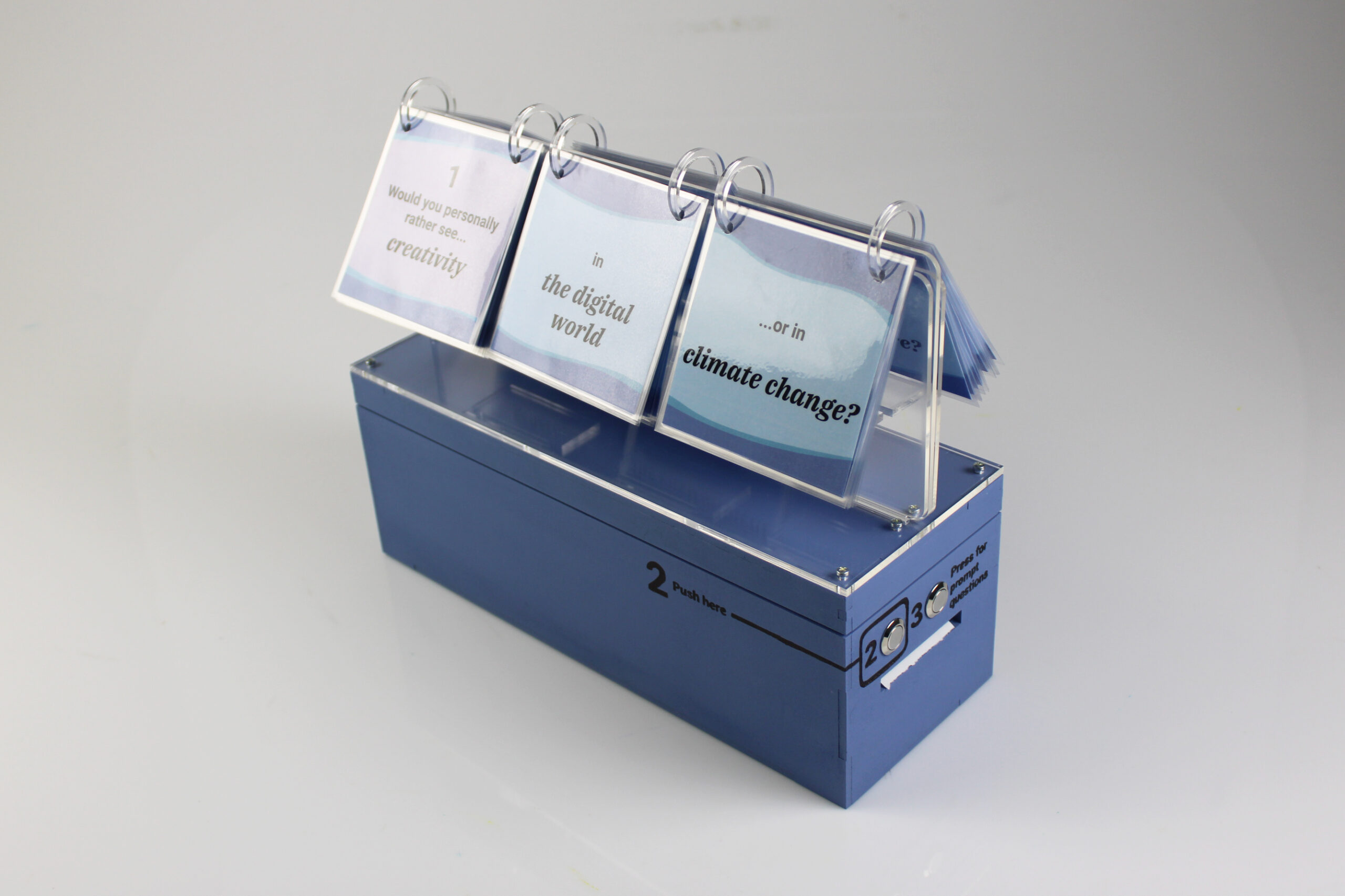
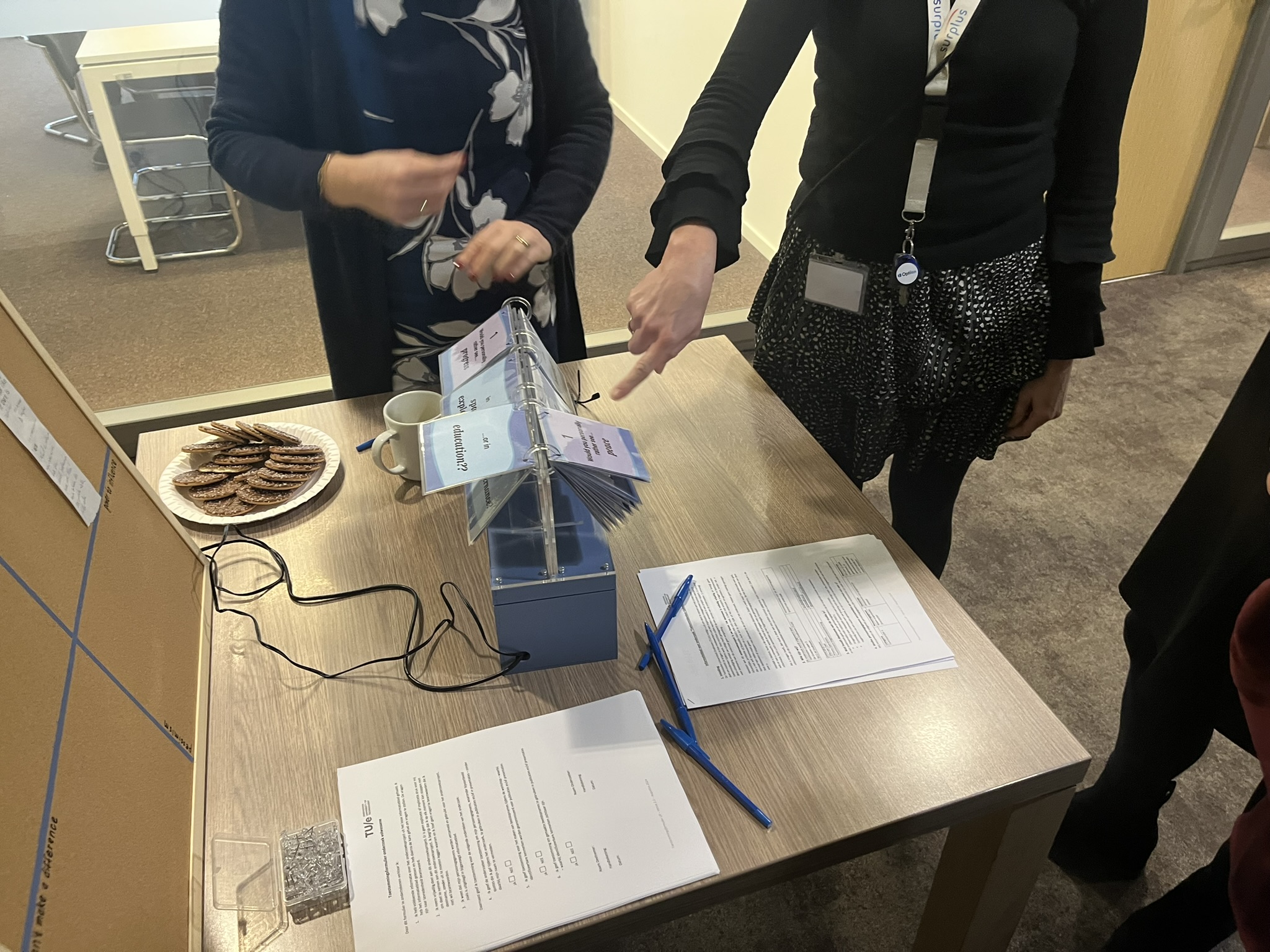
The user was an integral part of the design process. Setting up a co-creation and user testing with several organisations brought valuable experiences, which I regard vital as a social designer. I learned that next to solid preparations, organising these sessions require adaptability and flexibility. More reflections will appear later on since they link to other expertise areas as well.
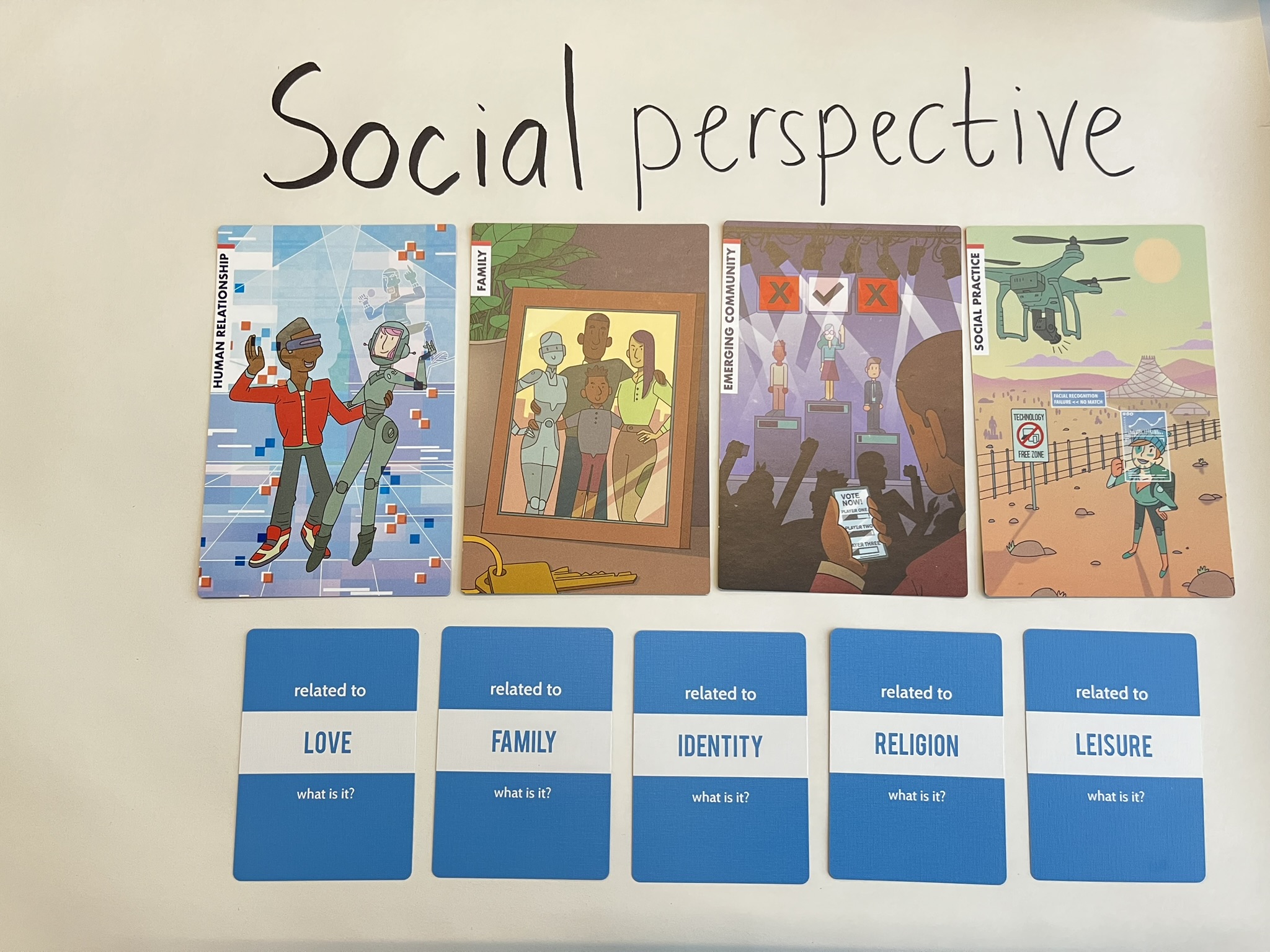
To the same extent as my vision, the societal context of this project was substantiated with theoretical knowledge about social imagination. Since I realised it can come across quite complex, I had set a goal to create a visualisation of how the principles relate to each other. In hindsight I could have accommodated visual thinkers more in other parts of the project, by making the prototype less text-based for instance. A future learning opportunity is to be more conscious about accessibility, not only while ideating and testing, but also in the realisation phase of a project.

Business & Entrepreneurship
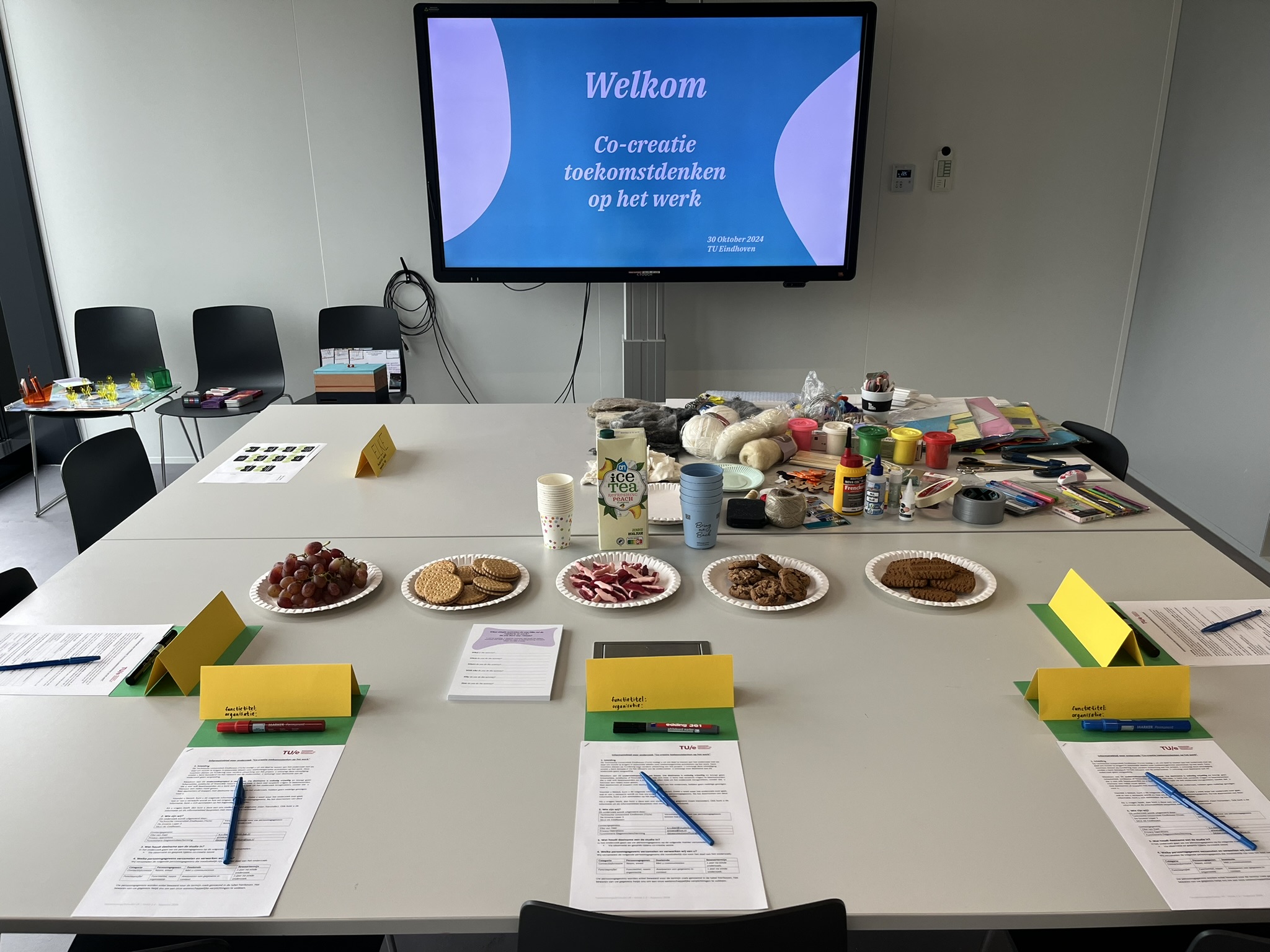
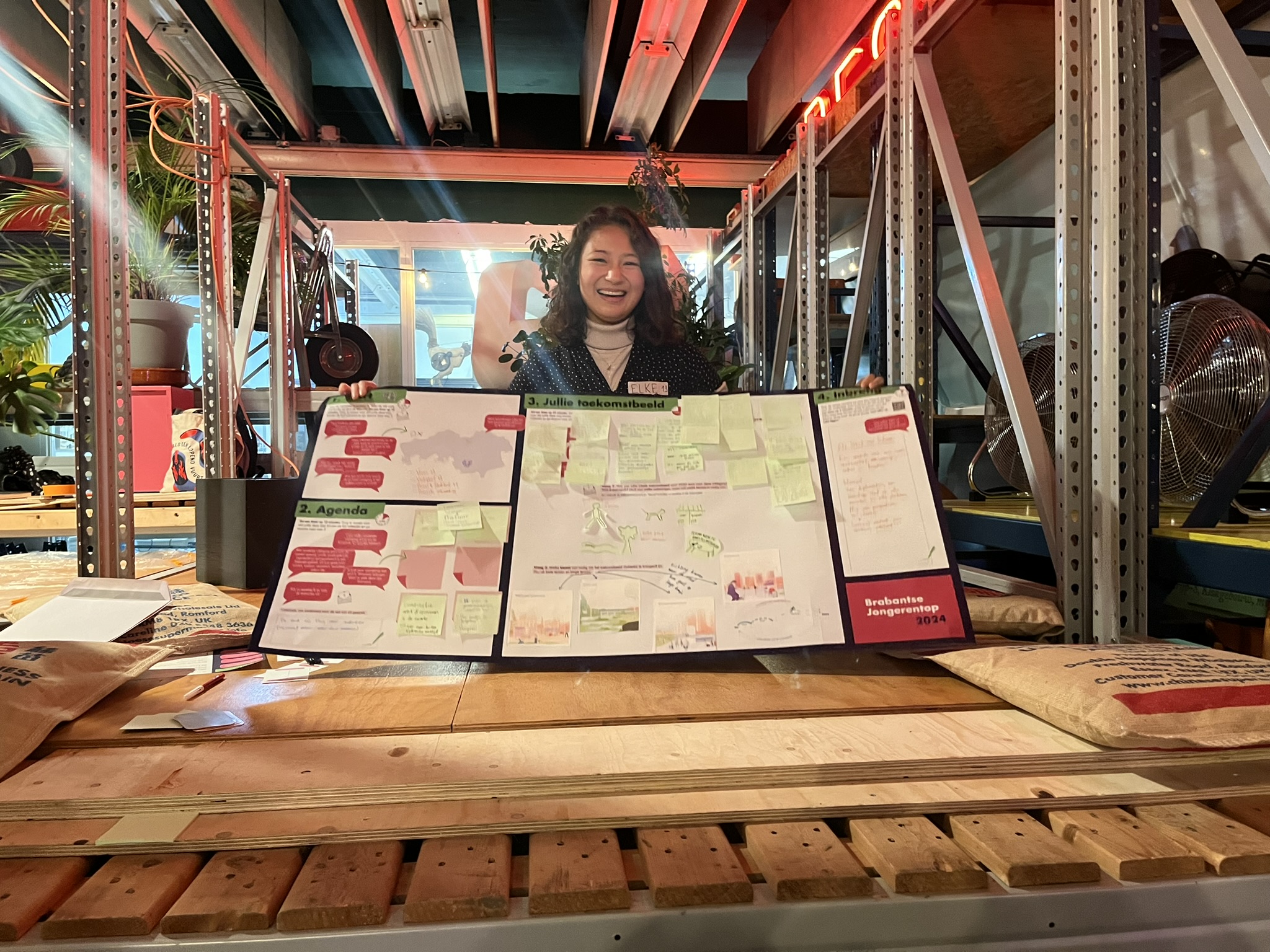
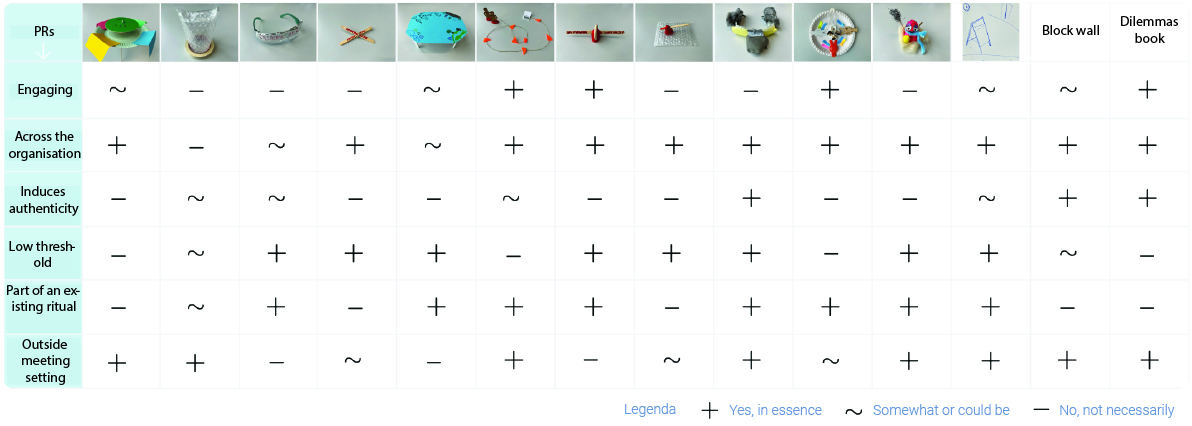
My professional identity shows an entrepreneurial mindset which is about proactive exploration and involvement of stakeholders. In line with this I have attended workshops in the field, talked with experts, and hosted co-creation sessions. These learning activities, in addition to benchmarking, allowed me to identify practical design requirements. Simultaneously, I have developed the ability to find a balance between organisations’ needs and my own objectives. The risk of involving different stakeholders was that I had to deal with varying opinions, but I have grown in being selective on what input to use by trusting my own design intuition.
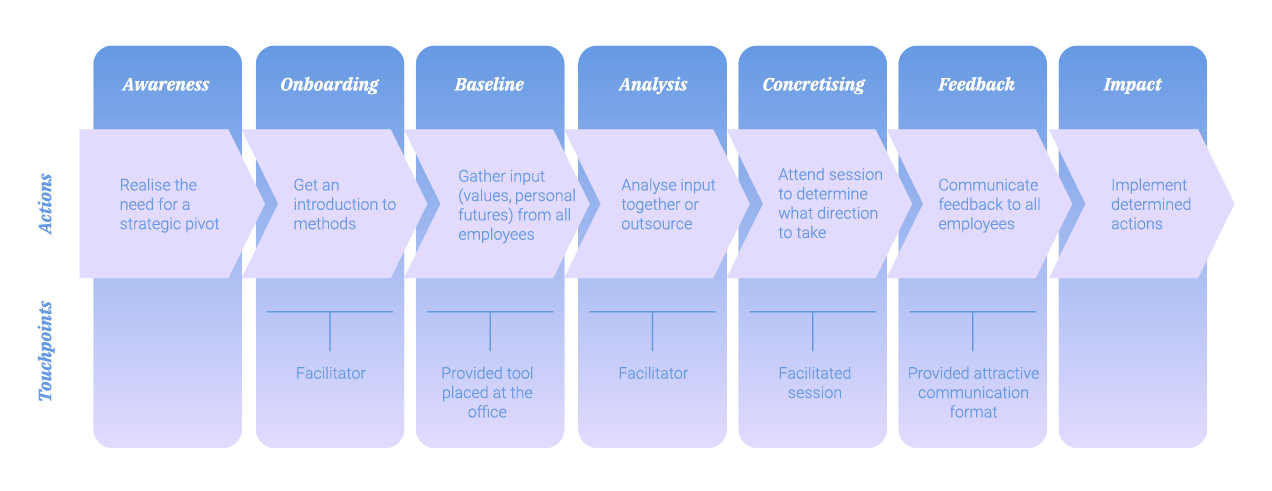
My goal was to set up a business plan for the product. However, organisations indicated in user tests that they saw value in my developed method when it would be part of a bigger service. For that reason I created an alternative customer journey map that describes a potential service I could offer to organisations. SURF has invited me to give a workshop with the developed future thinking tool, which is a good opportunity to practice my skill of facilitating.

Creativity & Aesthetics
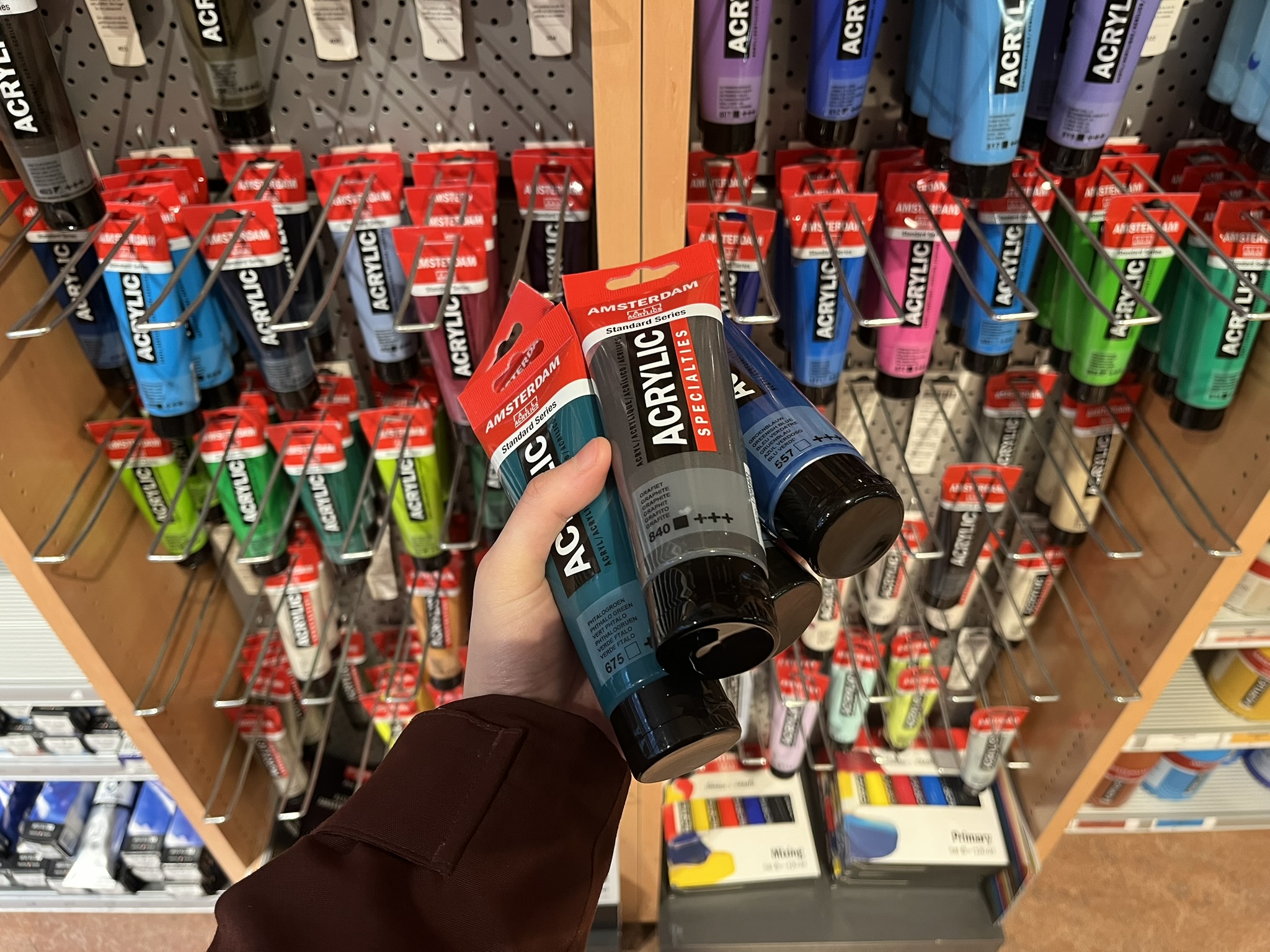
It was my intention to integrate simple affordances in the design so interaction with the design would be straightforward. Additionally, it was important for the design to be appealing and coherent in order to deliver quality to the participating organisations and on Demo Day. I chose the paint based on the universal connotation with the colour blue. Next time, I could dig deeper into colour theories to make a more grounded decision on something that determines the overall look of the design.
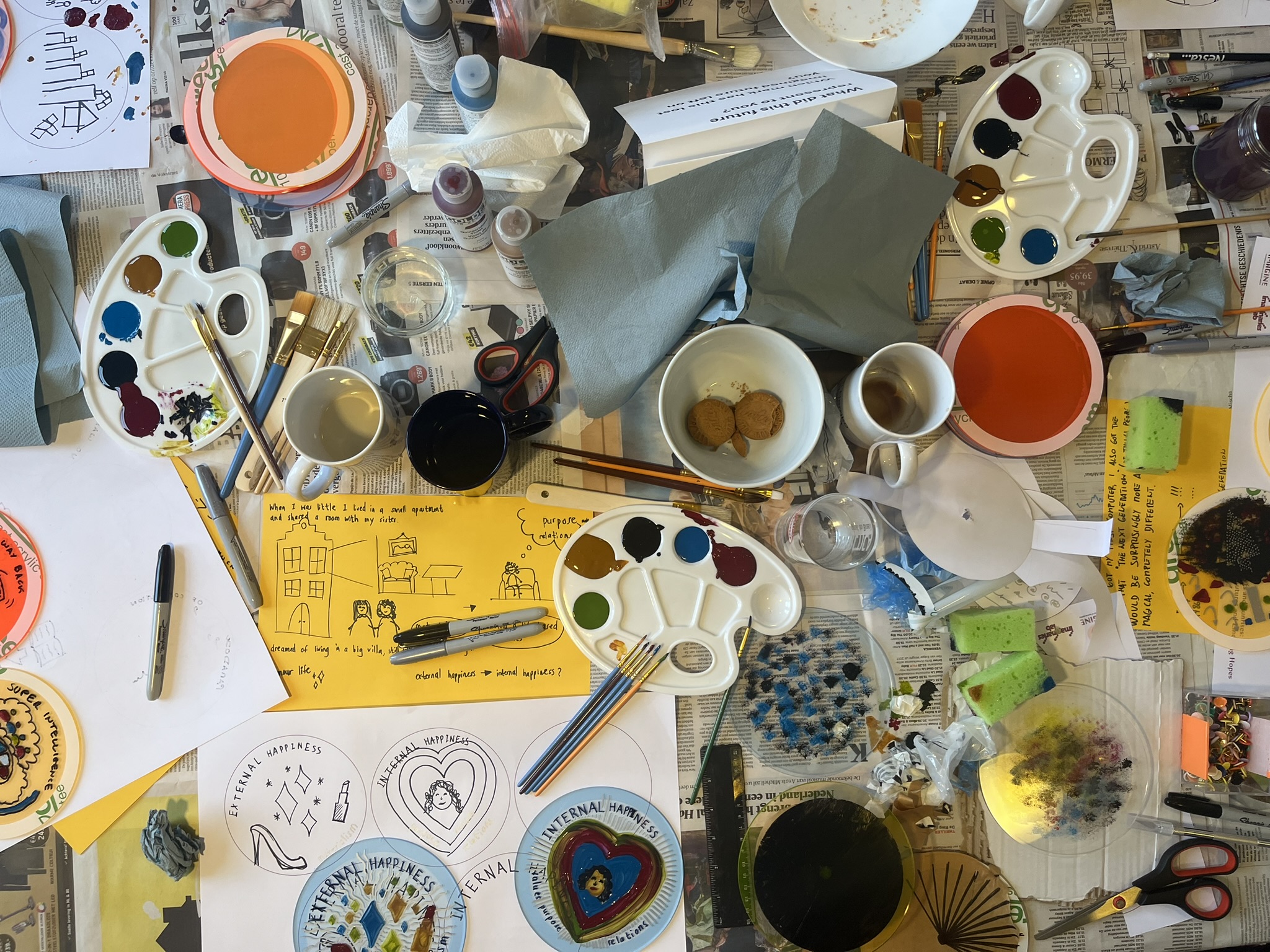
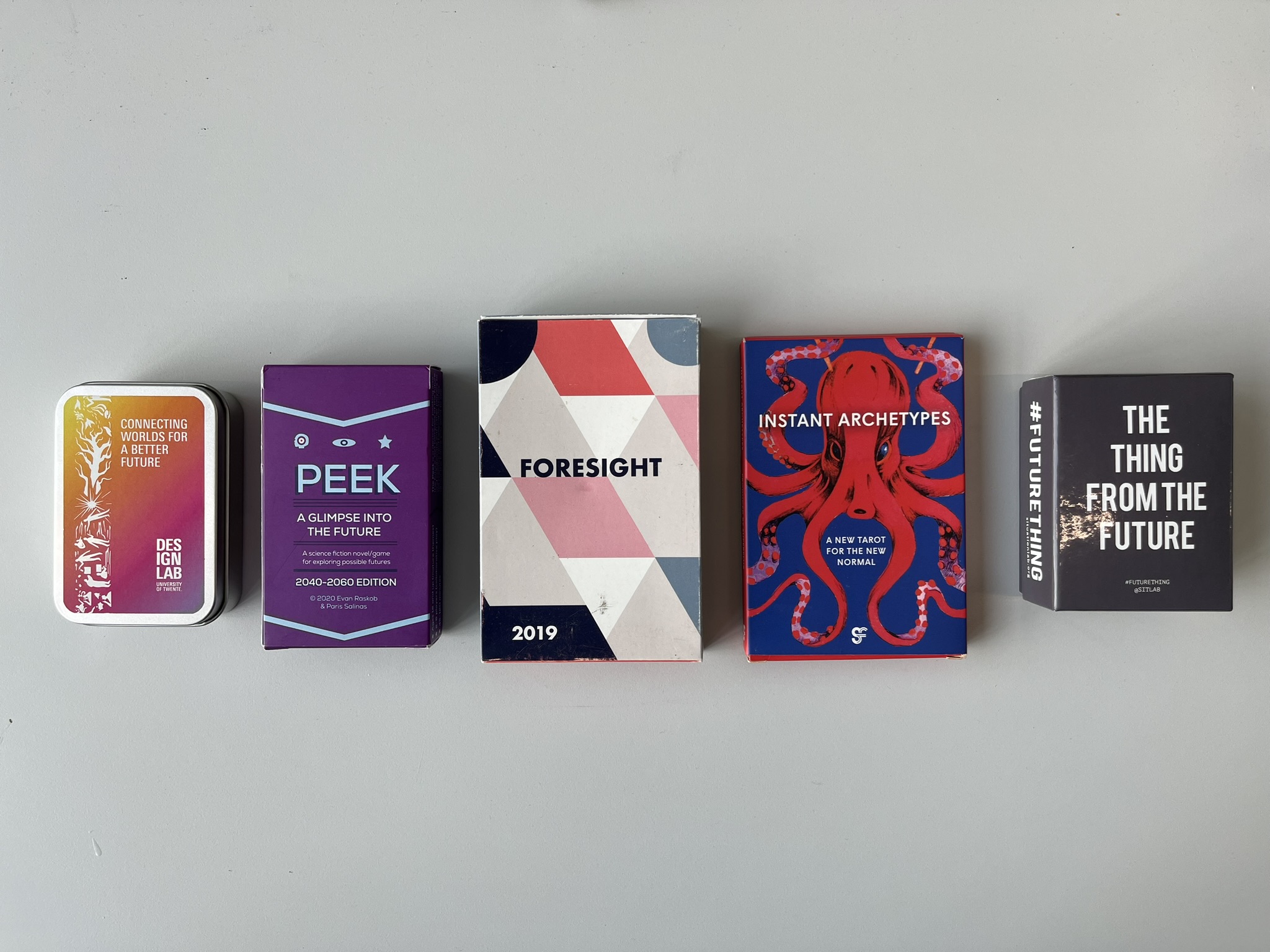
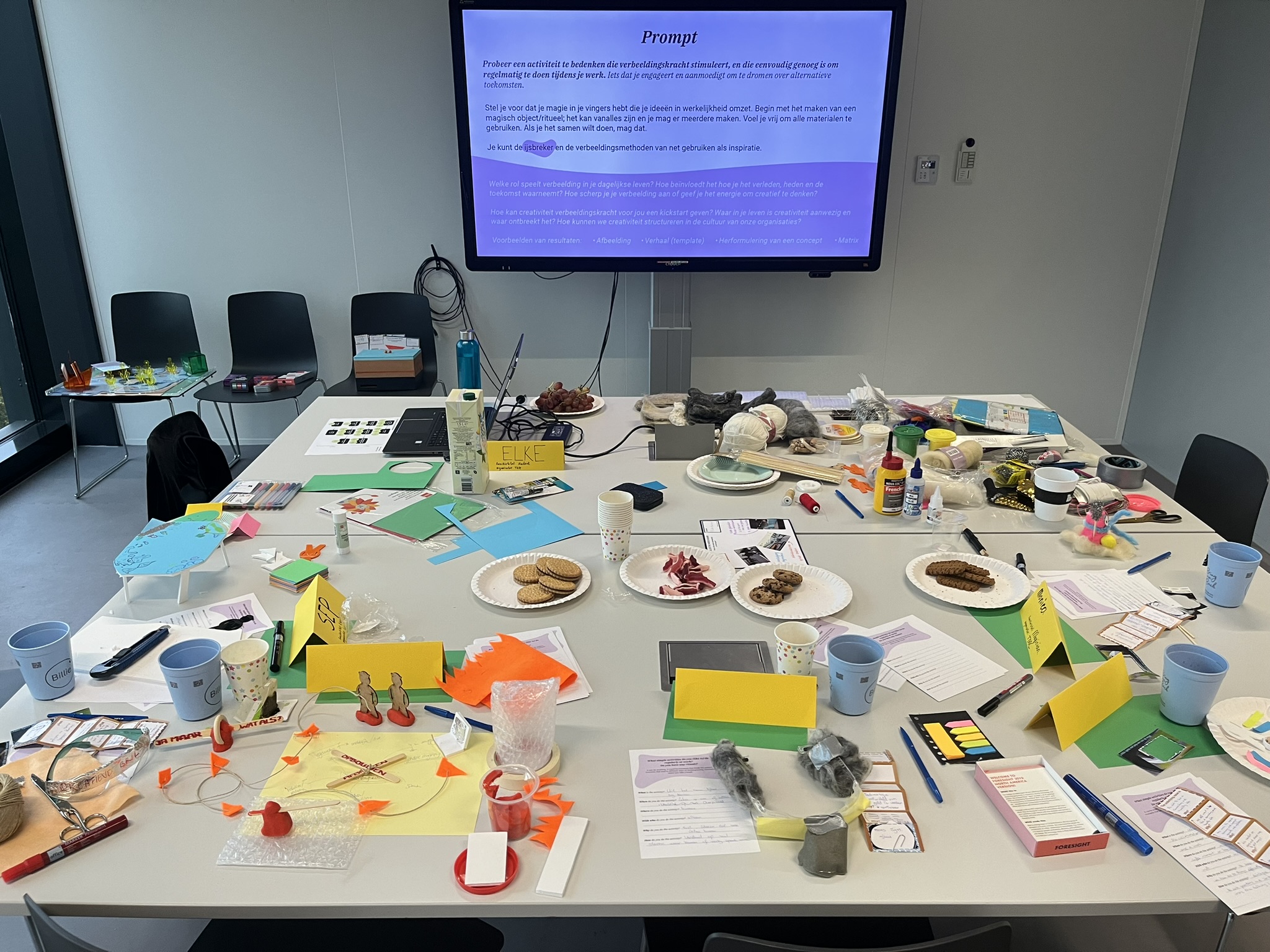
Next to drawing inspiration from attending workshops, from other existing future thinking methods and from desk research (first- respectively third person perspective), many insights originated from the co-creation I had organised (second person perspective). I noticed that when I clearly explained the activity of “quick and dirty prototyping” as a means to an end, the participants could appreciate the hands-on approach and were confident to engage in creativity themselves.
Technology & Realisation
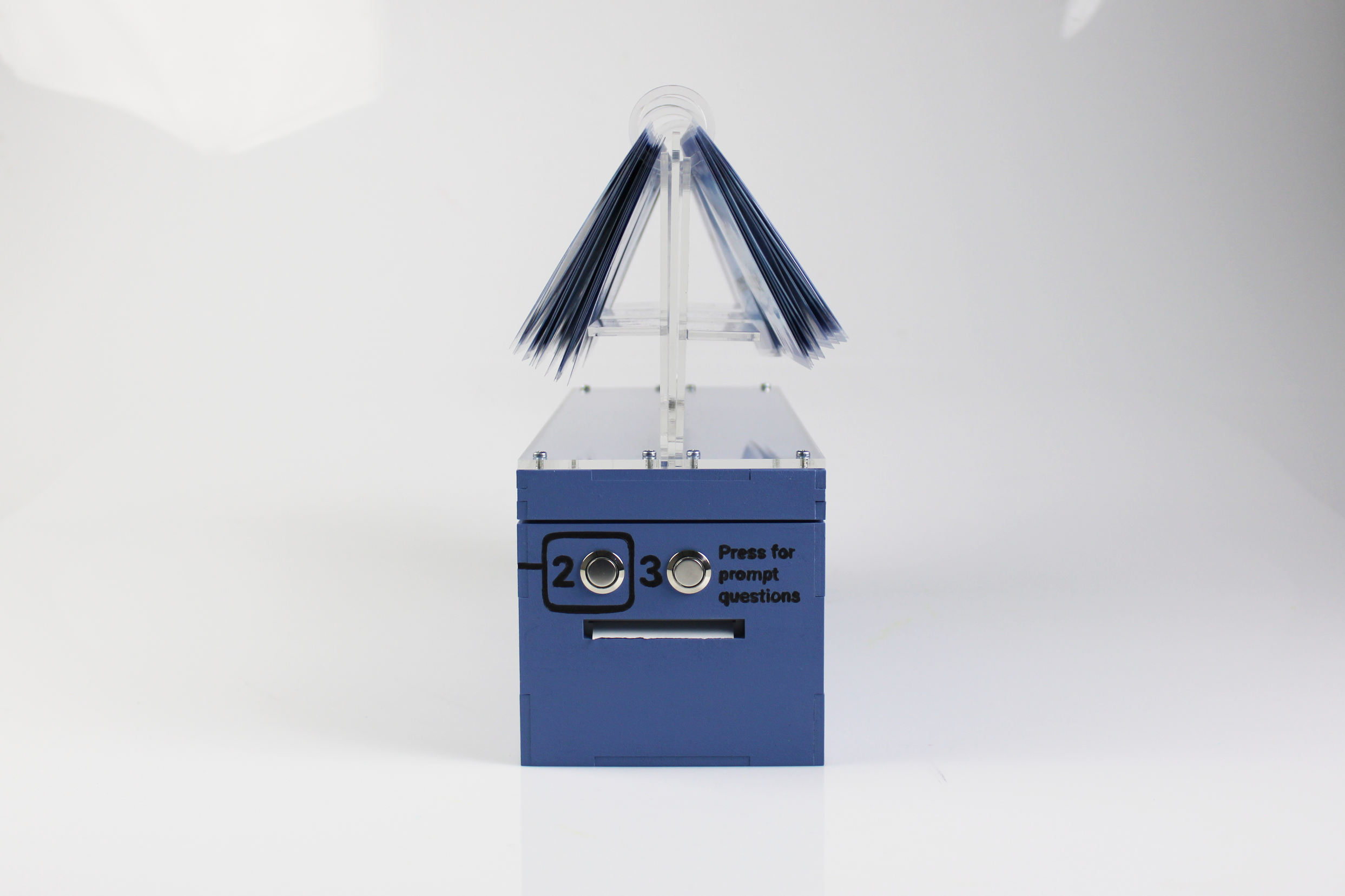
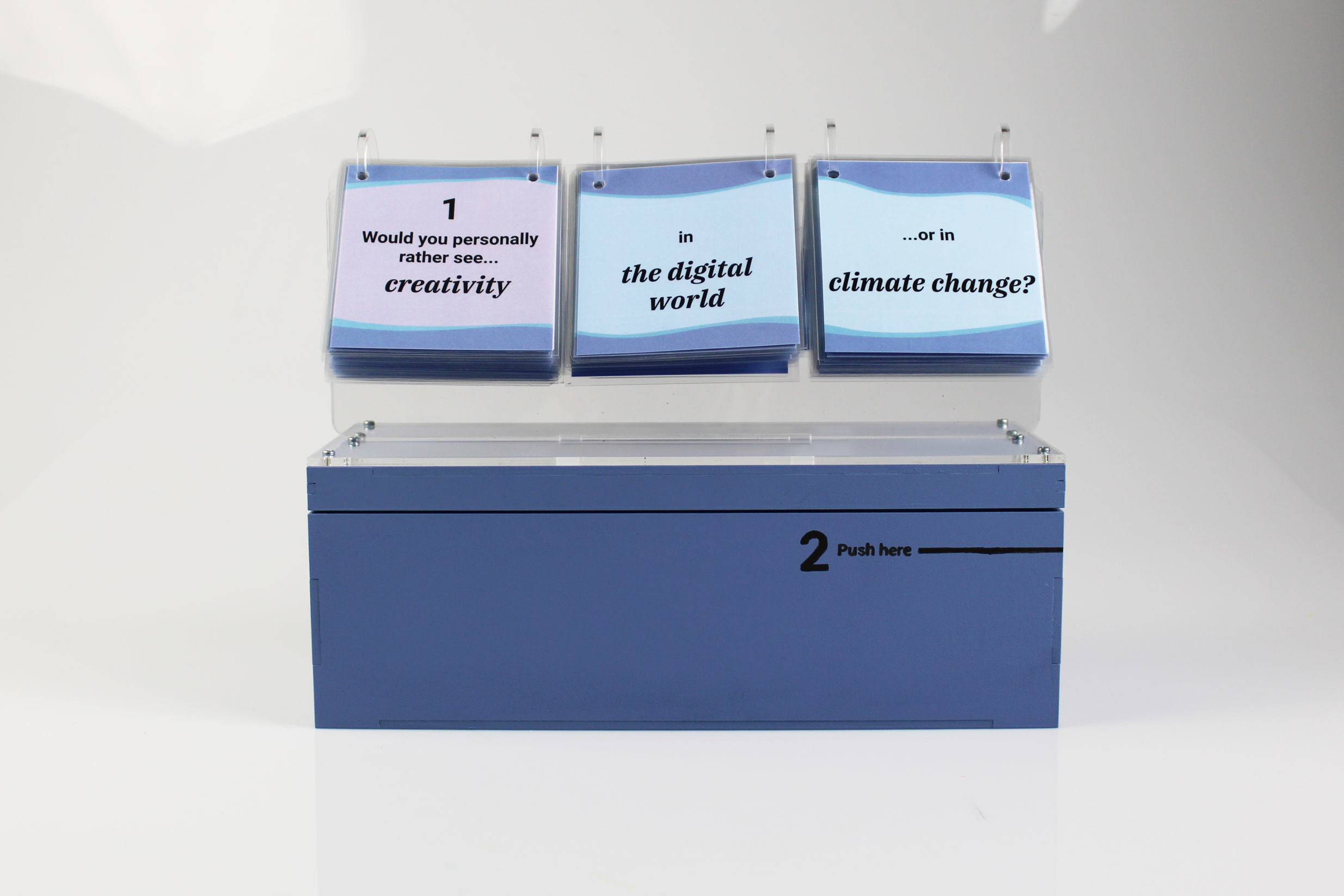
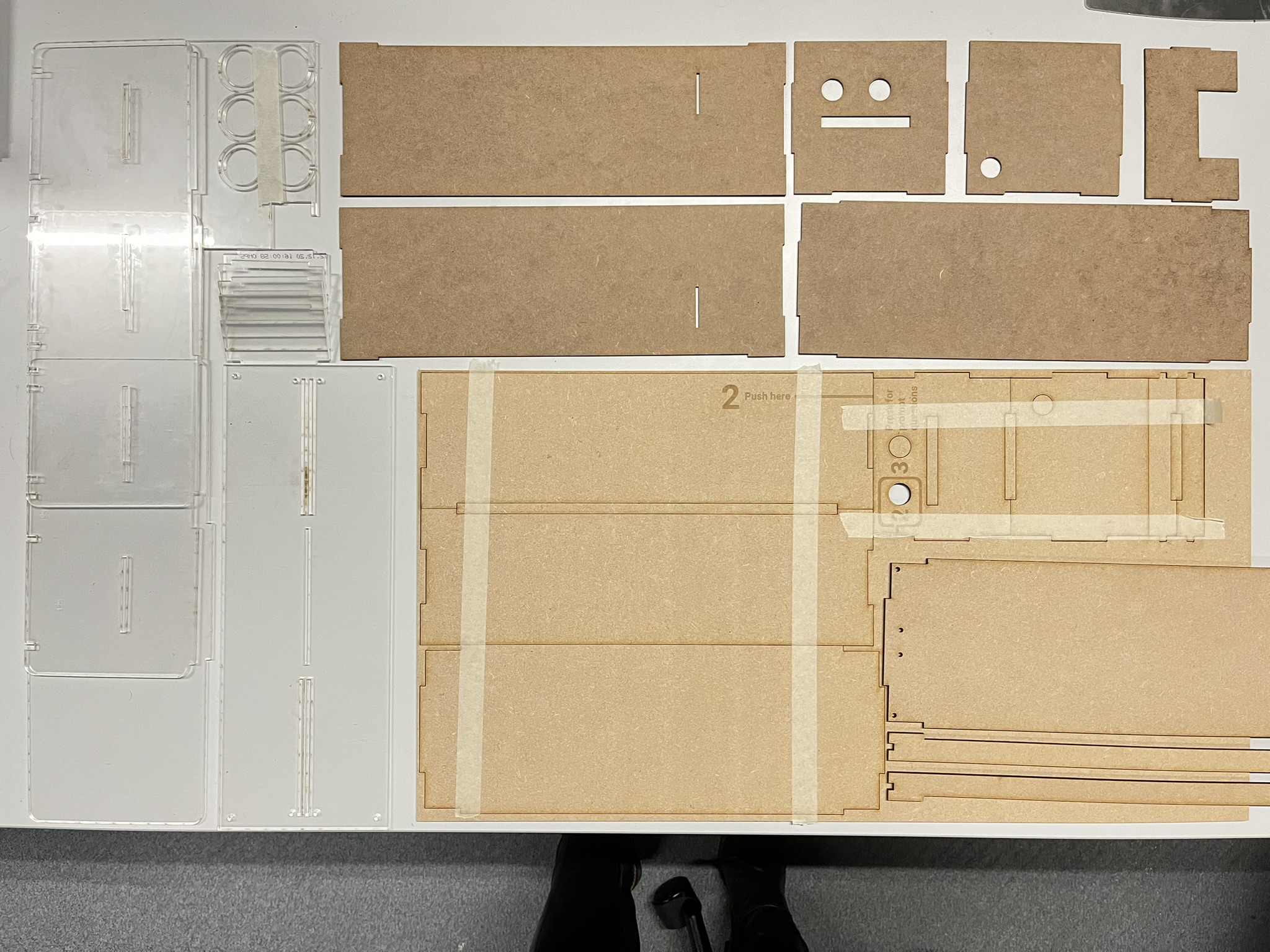
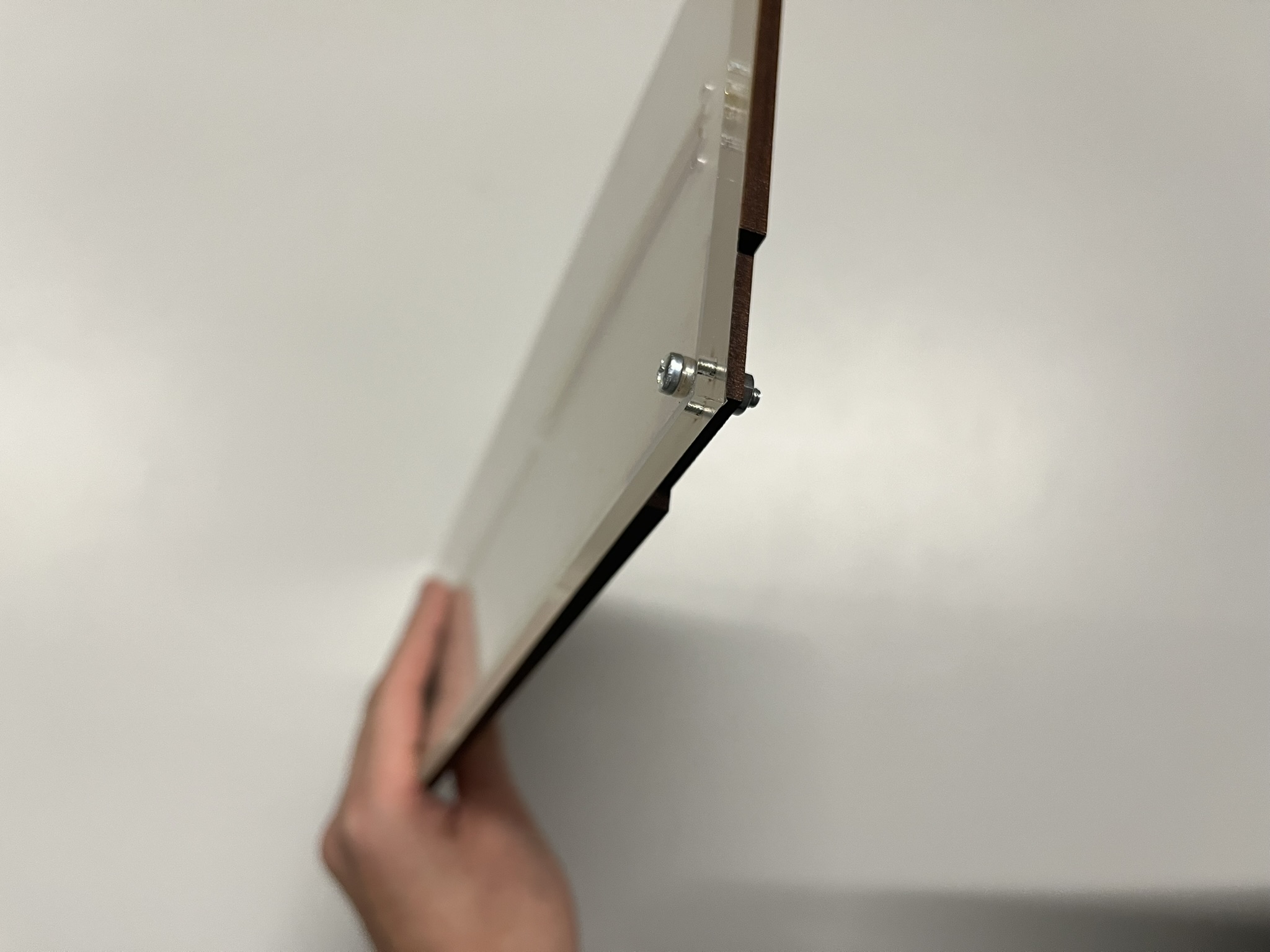
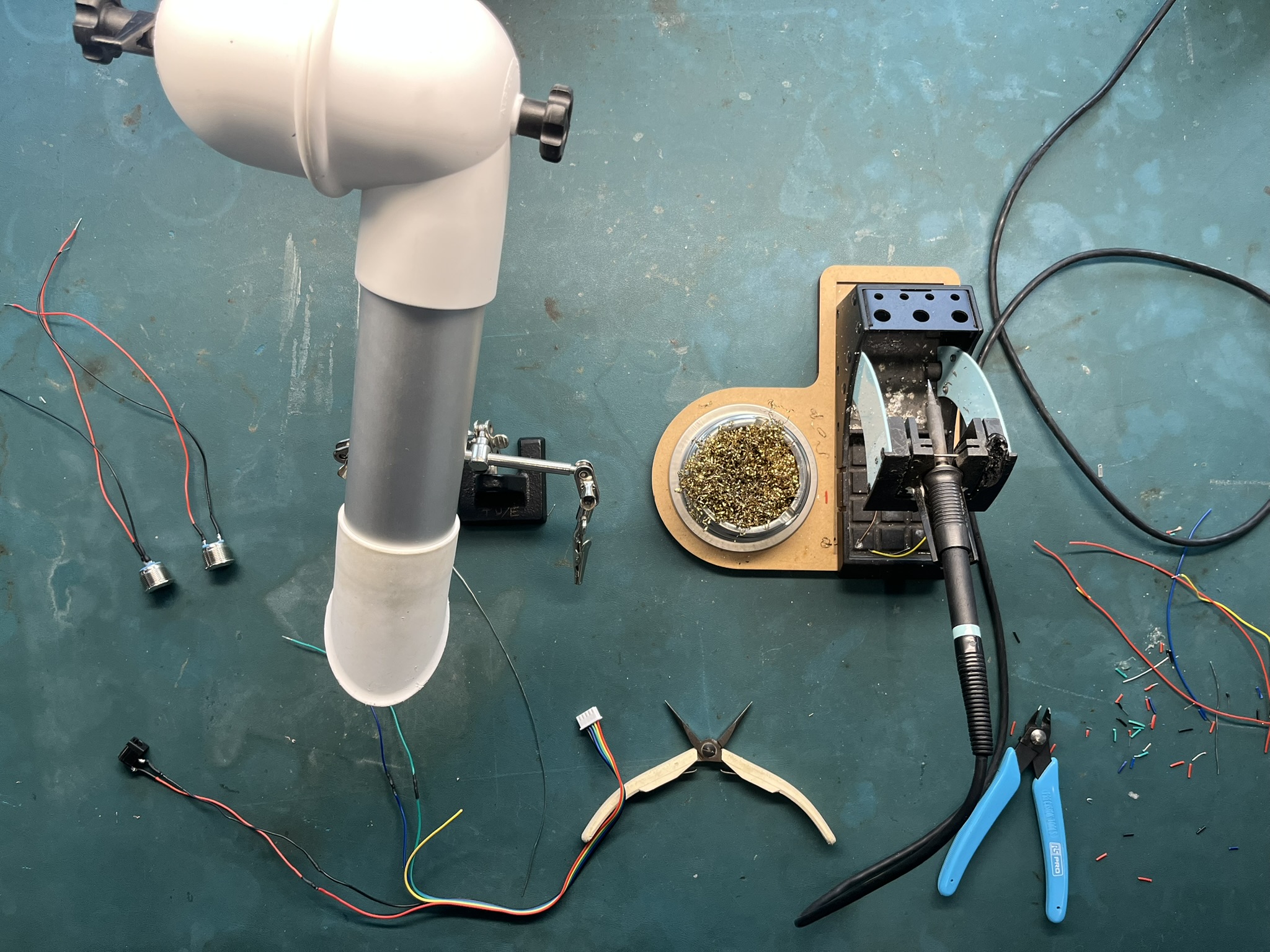
For the realisation of the prototype I mixed conventional techniques like laminating with cutting-edge techniques like laser cutting. The material choice was partly based on aesthetics (as described in the previous section), and partly based on the intended use as it had to be robust to endure testing. If I were to do another iteration, I would look for electronics that require less energy to make it a standalone prototype.
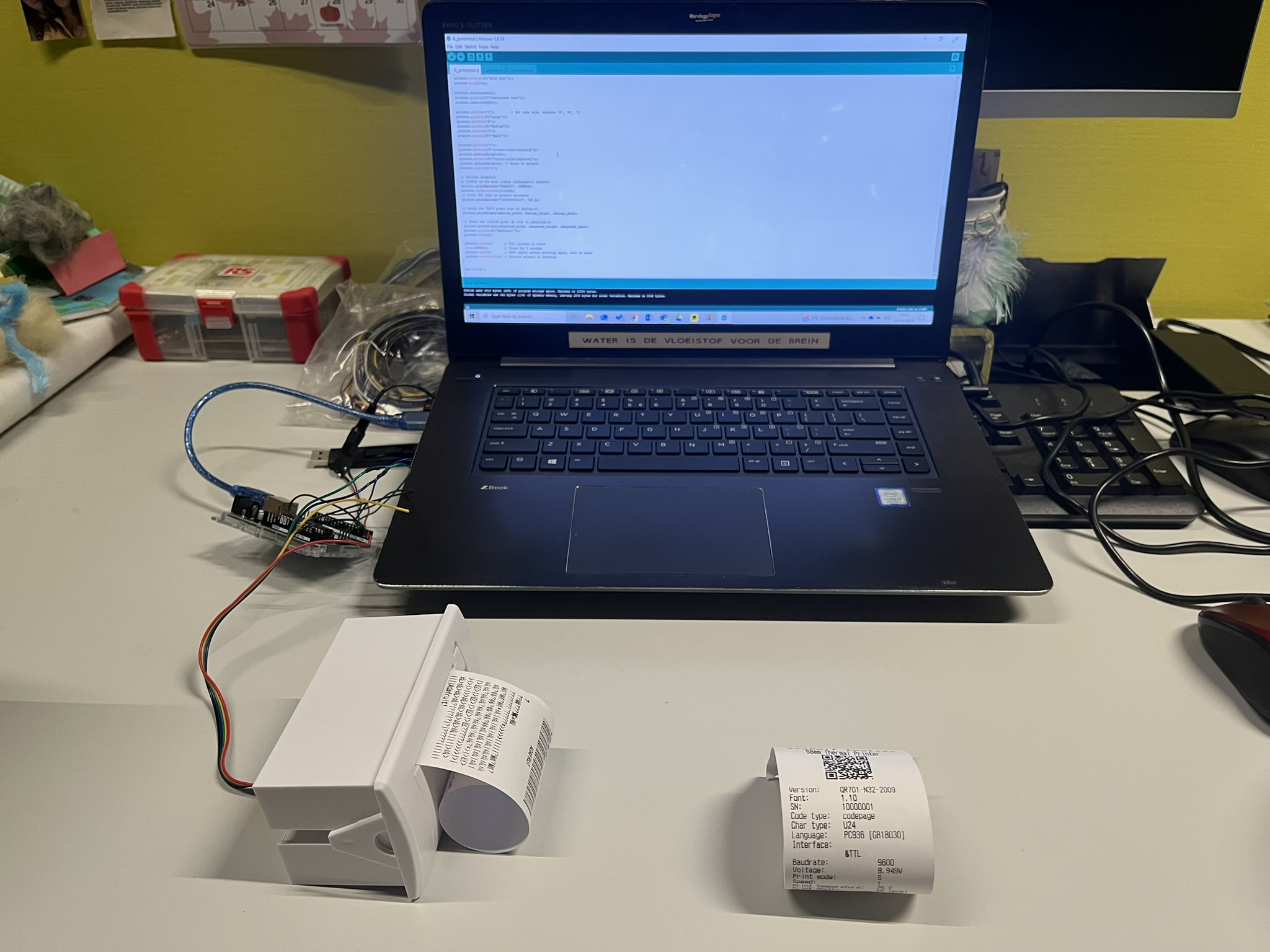
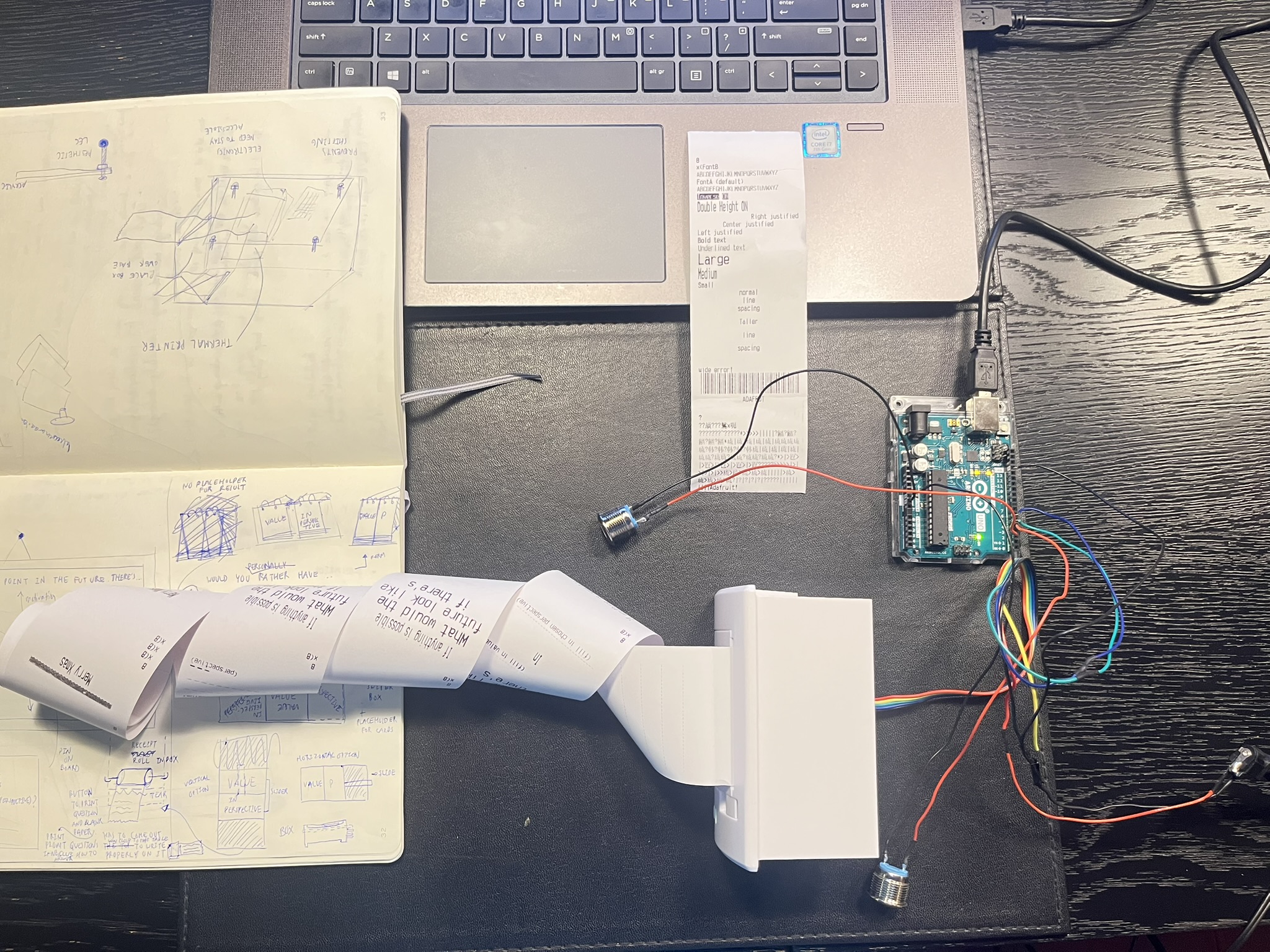
I dusted off my knowledge on Arduino coding to be able to make the prototype interactive. Interaction helps to engage people, which is essential to realise my vision. Therefore, a future learning opportunity is to become more skilled in programming to be able to foster more interactivity. I could accomplish this by practicing with artificial intelligence as a learning assistant for example, since peers showed me this approach.
Math, Data & Computing
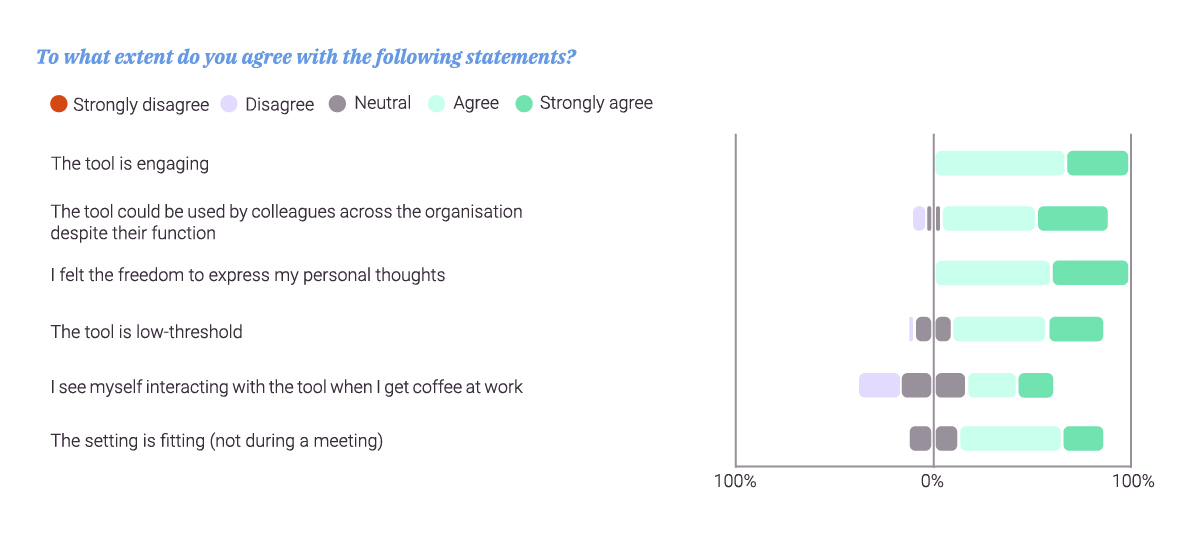
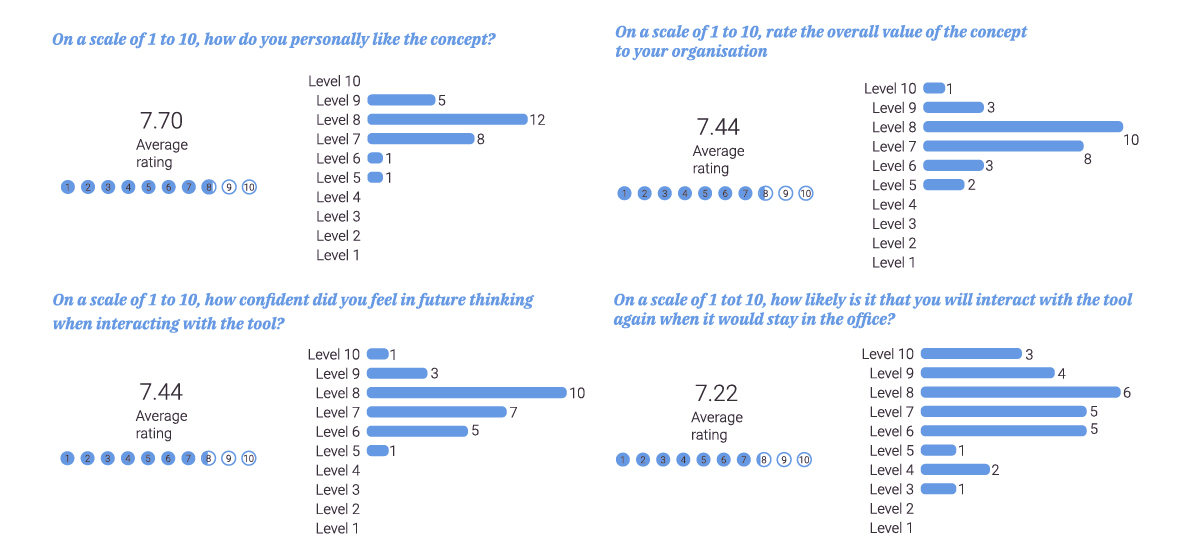
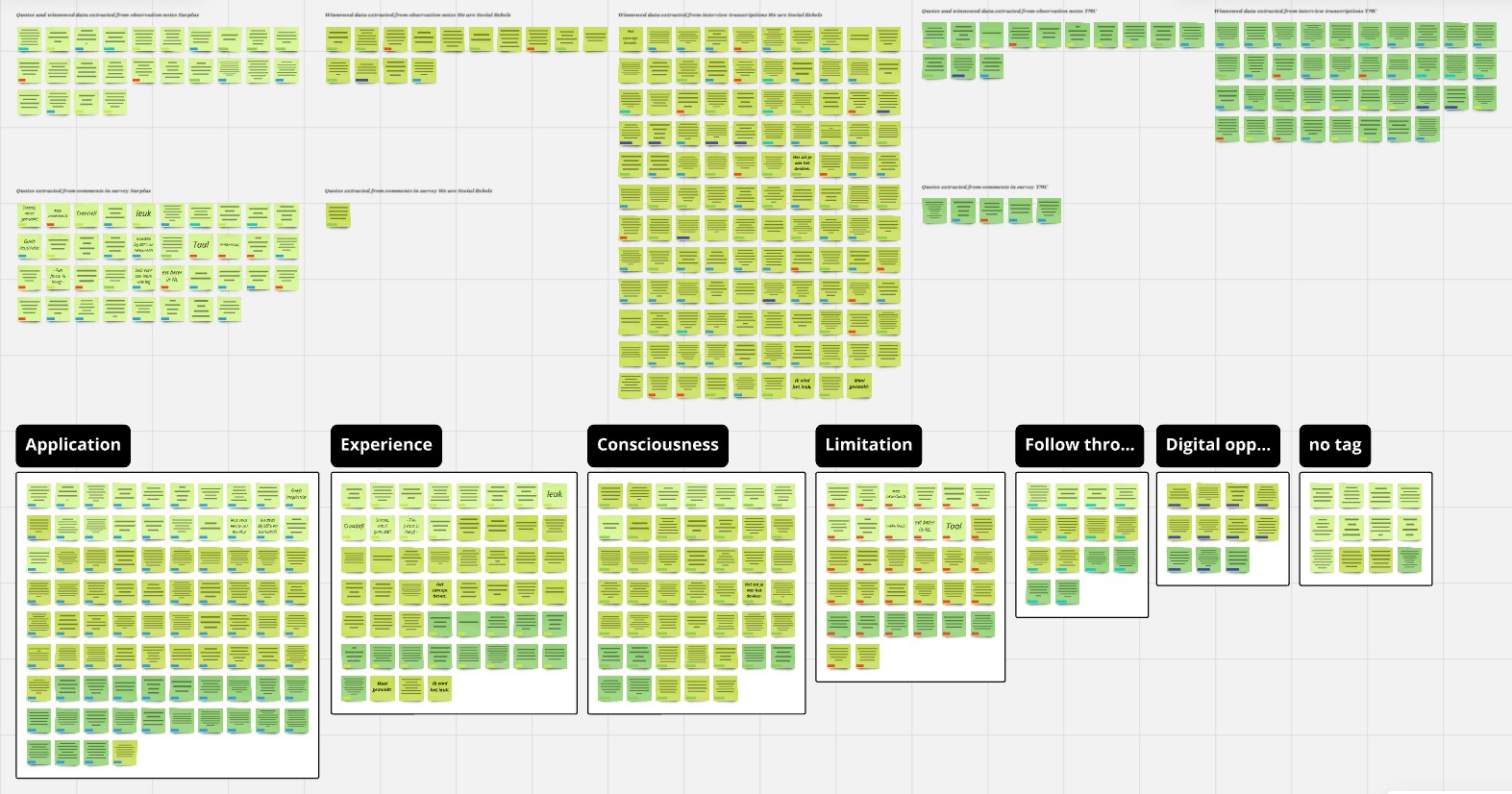
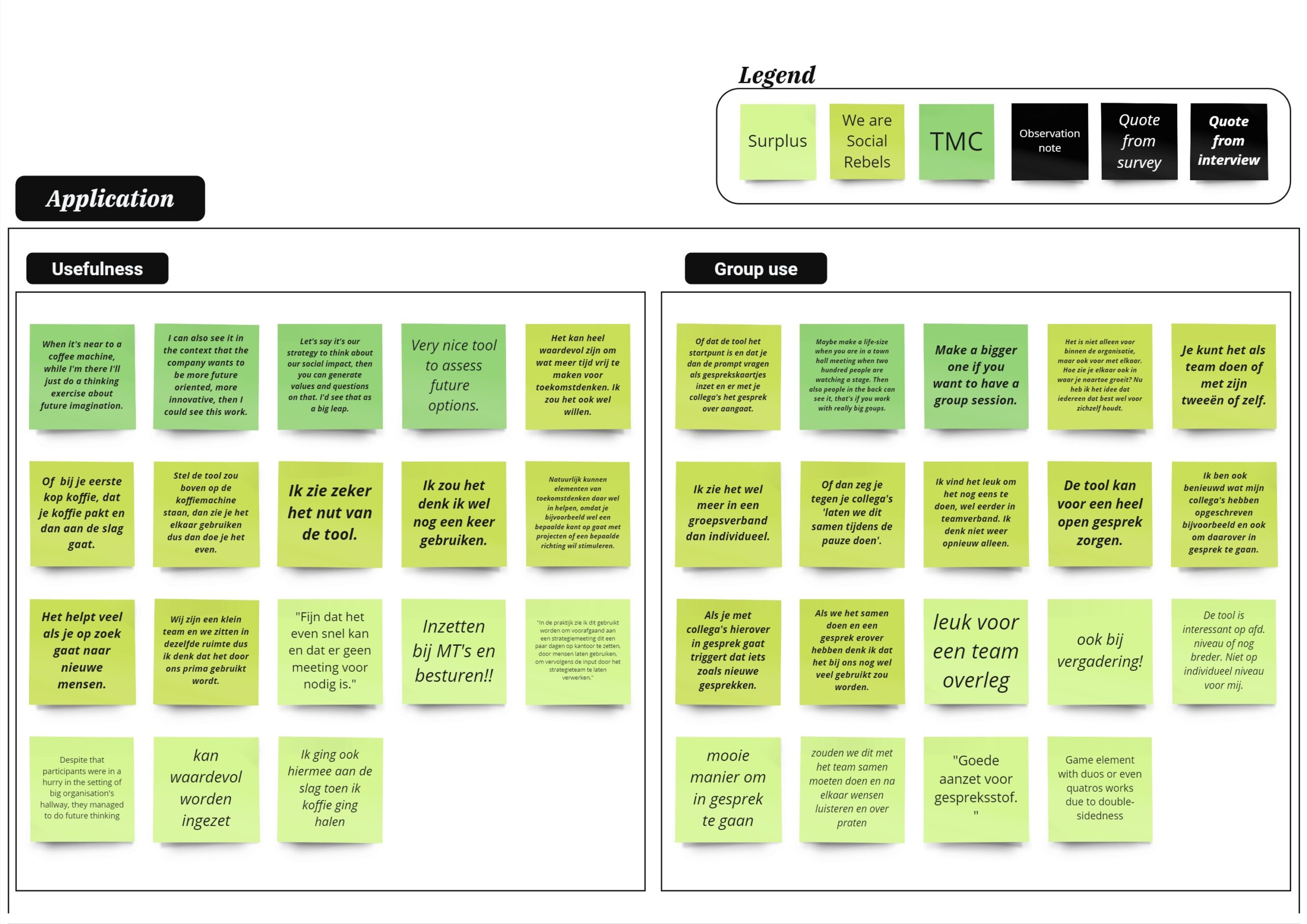
The co-creation and testing with in total 34 participants yielded much qualitative and quantitative data. I made careful decisions on what data to gather to minimise risks for participants. In my Personal Development Plan I described the goal to bring some structure in my interview questions in order to reveal dimensions in the data. However, the structure lost most of its presence while analysing inductively. Nevertheless, I realised that the inductive approach led to less biased themes in the thematic analyses.
Regarding design decisions; when making the prototype I considered using math to calculate the maximum torsional stress for a living hinge, but in the scale I envisioned it would be too brittle for frequent interaction. I do see an opportunity in making a digital version of the design where algorithms could process the input of users.


Design & Research Processes
For this project I chose the Design Thinking process as a basis and adapted it to encompass two iterations. I deemed its user-centred approach fitting due to the societal context the project was situated in. Even though it was framed as a design project, I caught myself having a research-through-design attitude because the developed method and findings are valuable for the design community and other future-oriented fields. I found it challenging to shift the focus from research contributions to how the concept could be developed for actual application. I see potential in developing my entrepreneurial skills in transforming ideas into marketable products/services.
Professional skills
Reflecting on my development in the expertise areas during my graduation project has highlighted my strengths and my weaknesses. Personally, I think of the development of my professional skills as the most significant achievement of the semester. Being able to involve real organisations trained me how to work with various organisations that have their own priorities. I learned the importance of managing their needs while simultaneously holding onto the project goal. I practiced expanding my network and adjusting my communication style to different individuals. These are essential skills given my professional identity, which aims at being a designer who involves stakeholders to build exciting ideas collaboratively.